Where did the MTA's ventilation system go?
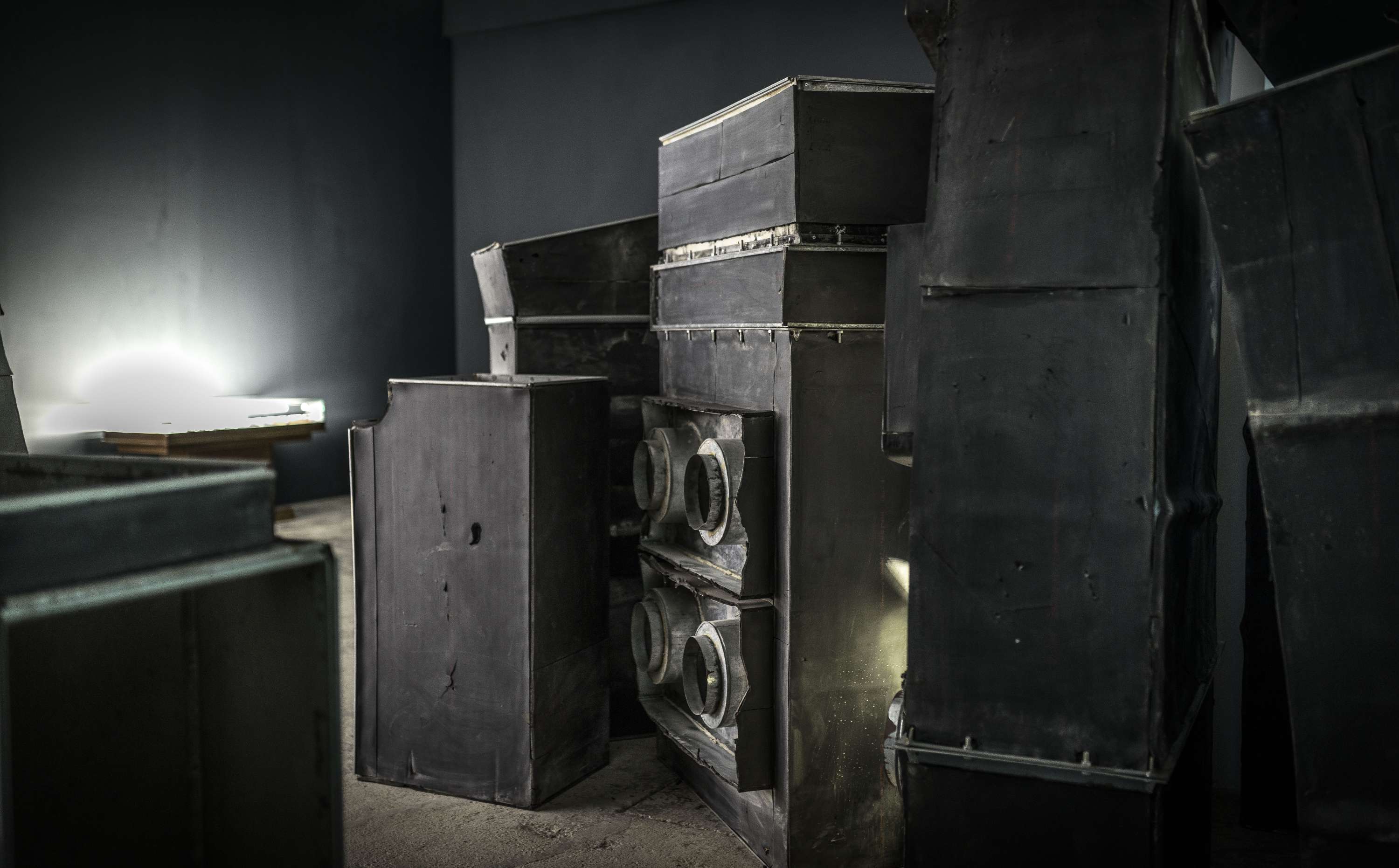
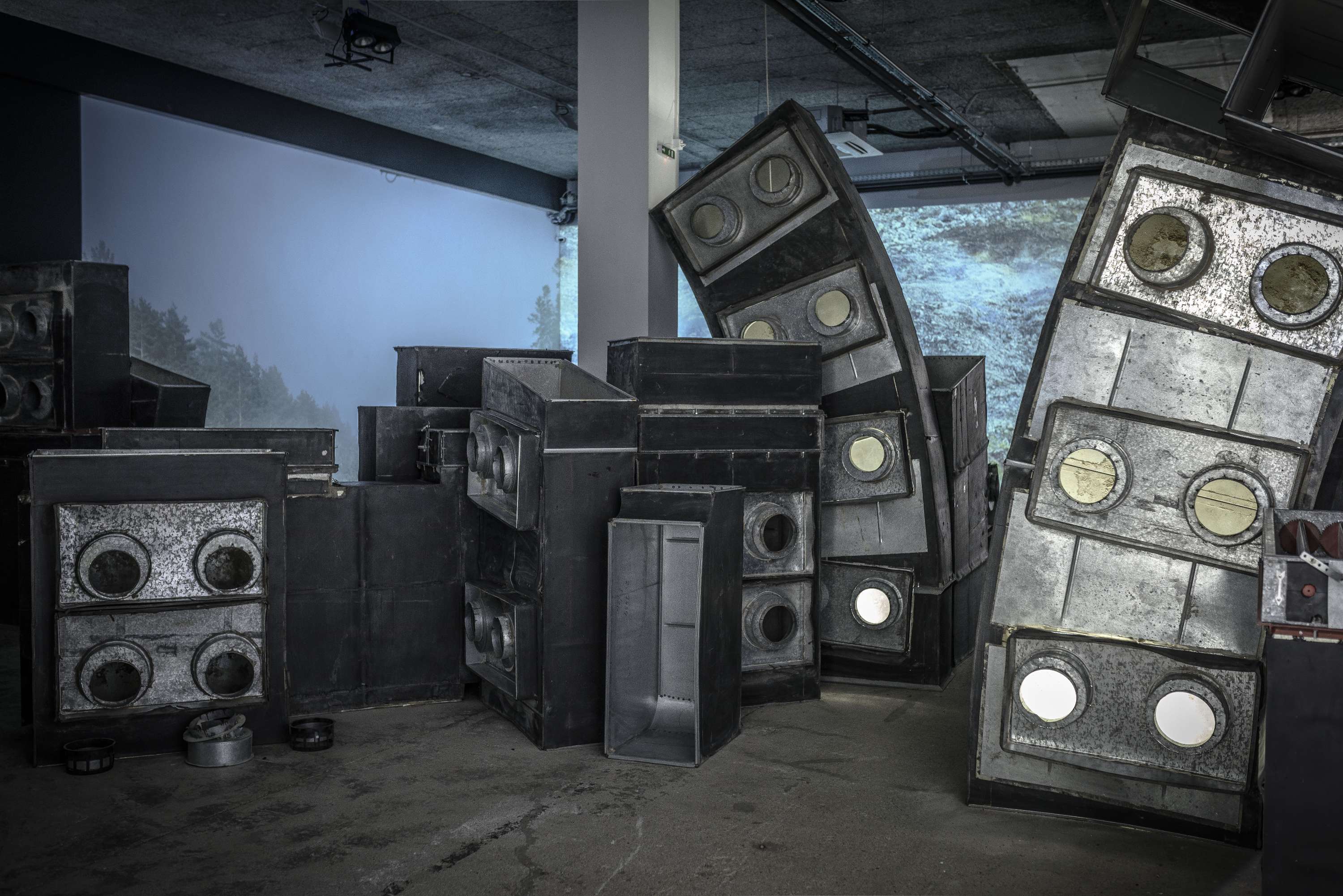
Endre Koronczi, visual artist Please, Mr Széchenyi, cheer! The exhibition titled … was open until 14 June 2024 at the Godot Contemporary Art Institute. The conceptual and physical centre of the exhibition is a monumental installation built from the ventilation system uncovered during the renovation of the Hungarian Academy of Sciences, the … Constricted Breath It depicted. With its absurd appearance and conceptualist thoughtfulness, the work attracted the attention of many.
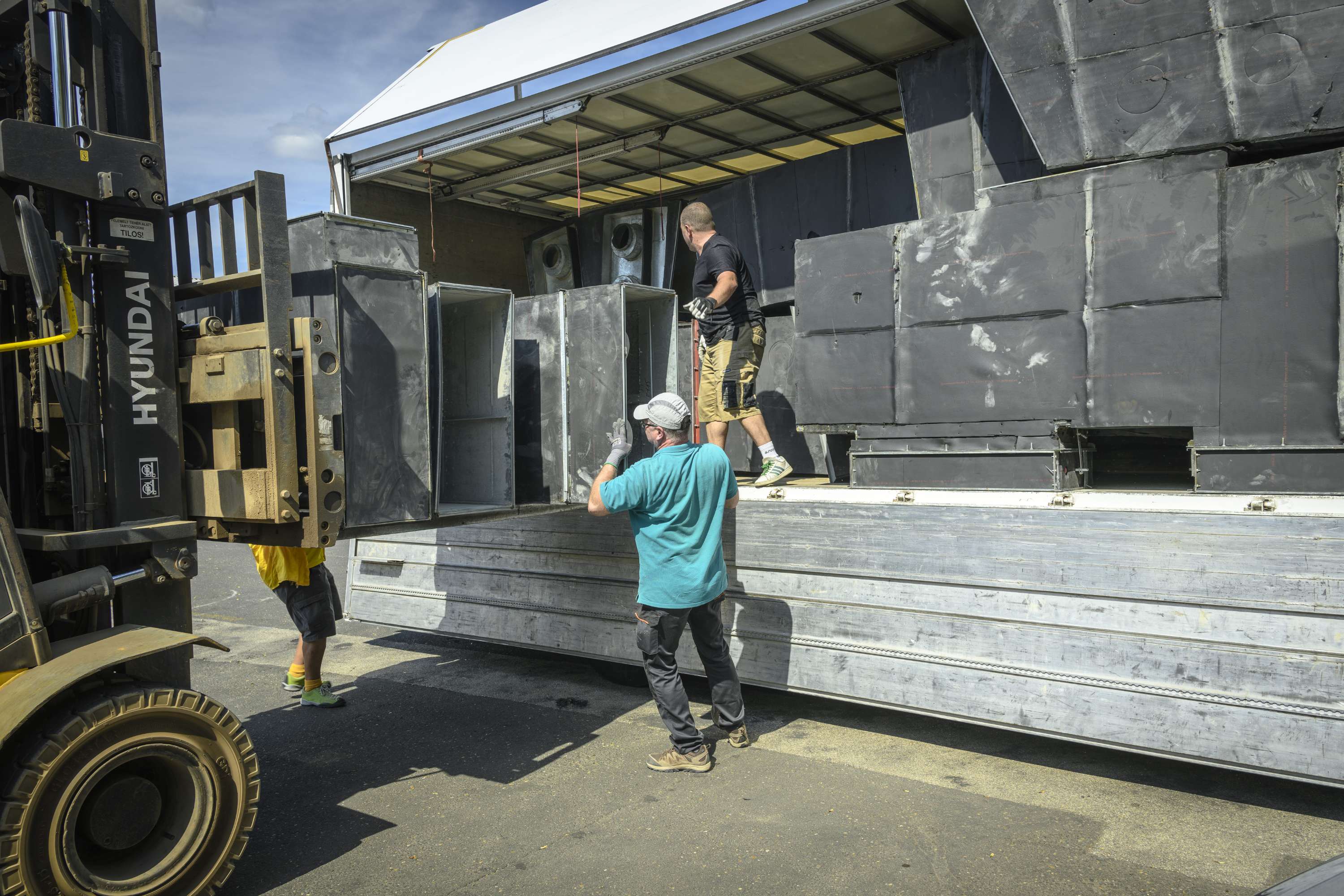
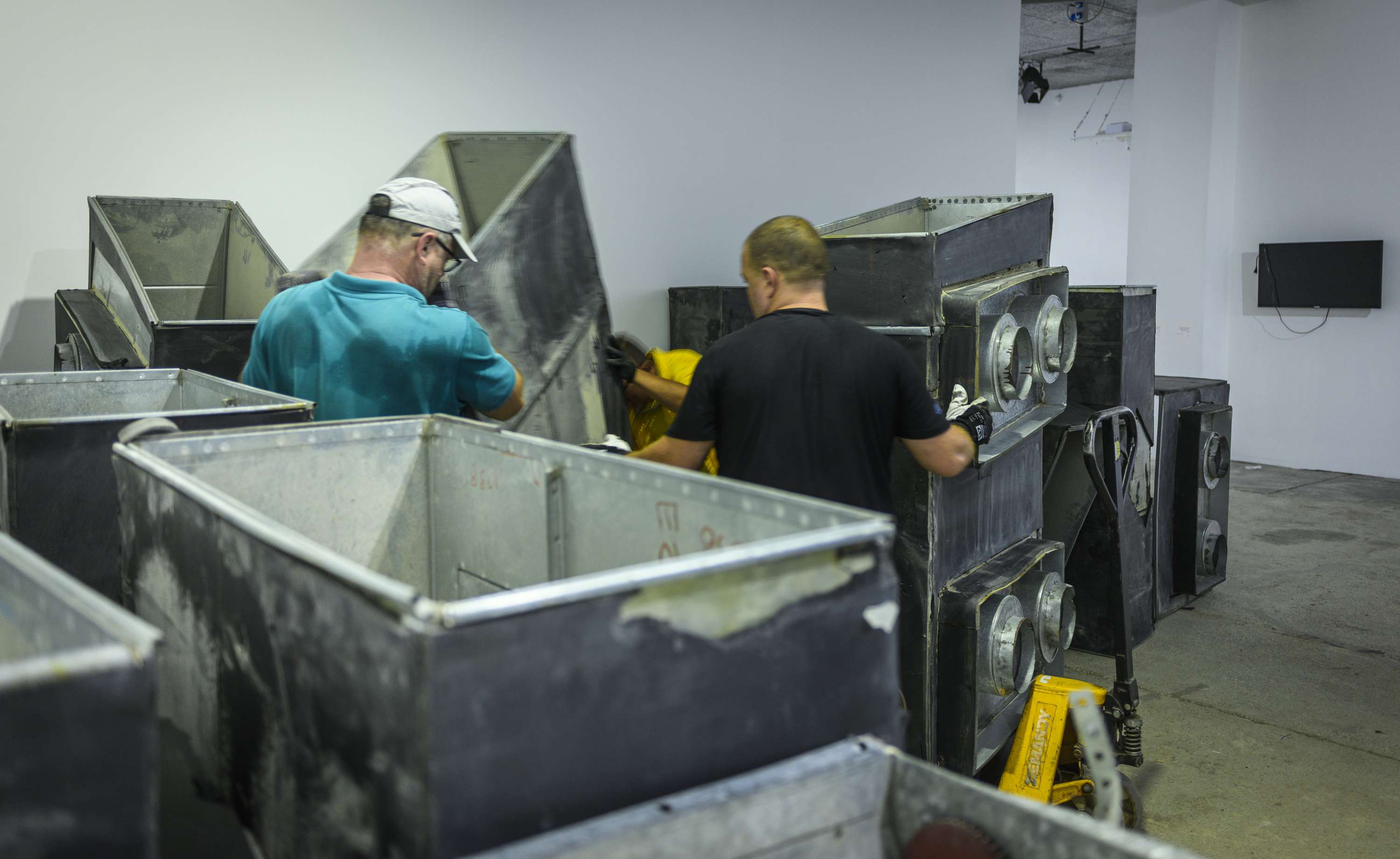
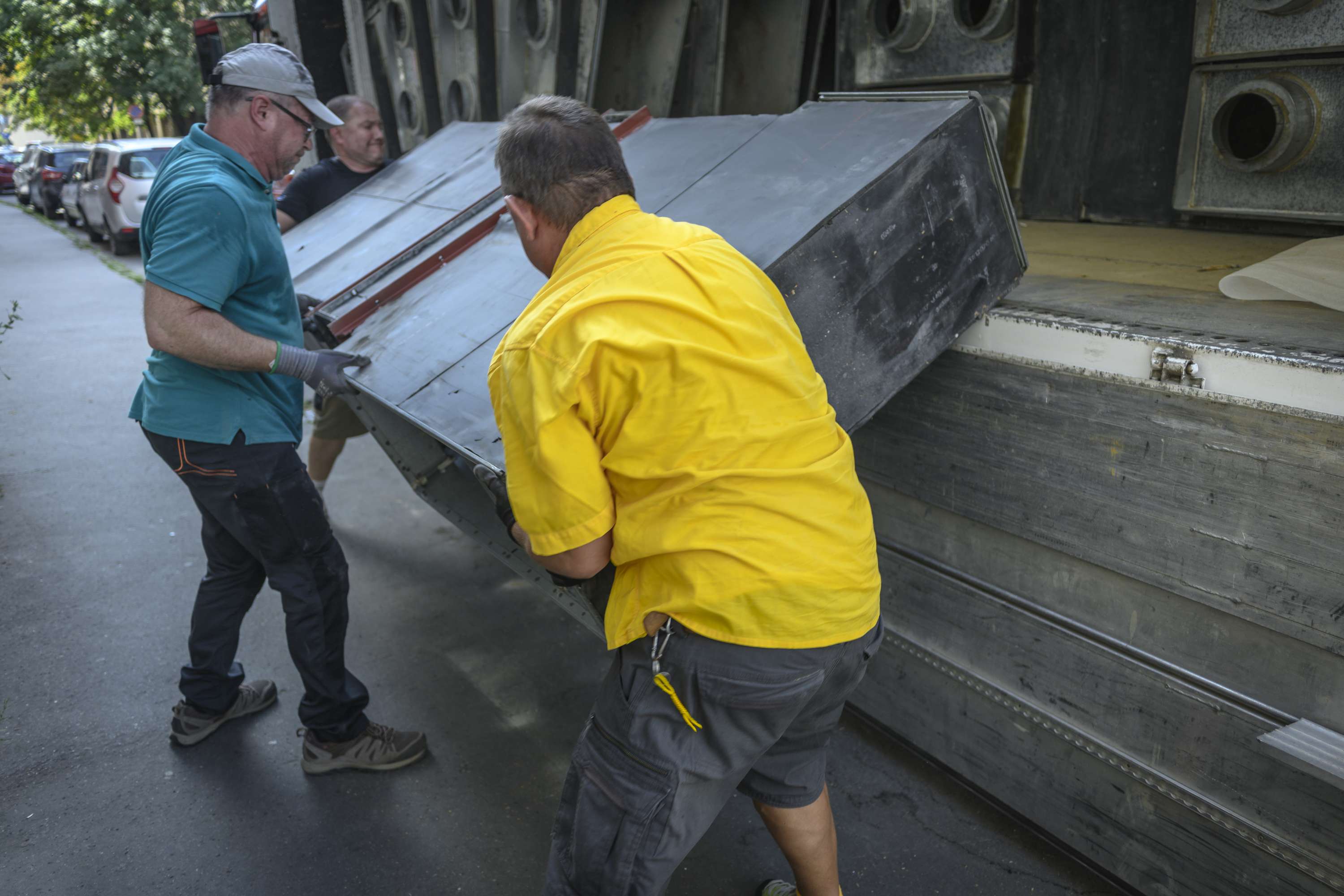
During the exhibition many asked what fate awaited a large‑scale installation that had been born from discarded items, yet within the show’s context it gained an added significance, becoming both a document and a work of art. The placement of such installations presents a serious challenge for artists and collection keepers alike. The task of positioning a 44‑piece, uniquely sized assortment of individual elements after the show seemed impossible, but its necessity grew ever more pressing during the exhibition, driven by the critical acclaim surrounding the central work. Confronted with its original, ephemerised, or intended‑for‑destruction ending, the artist and curator took on the problem of finding a solution.
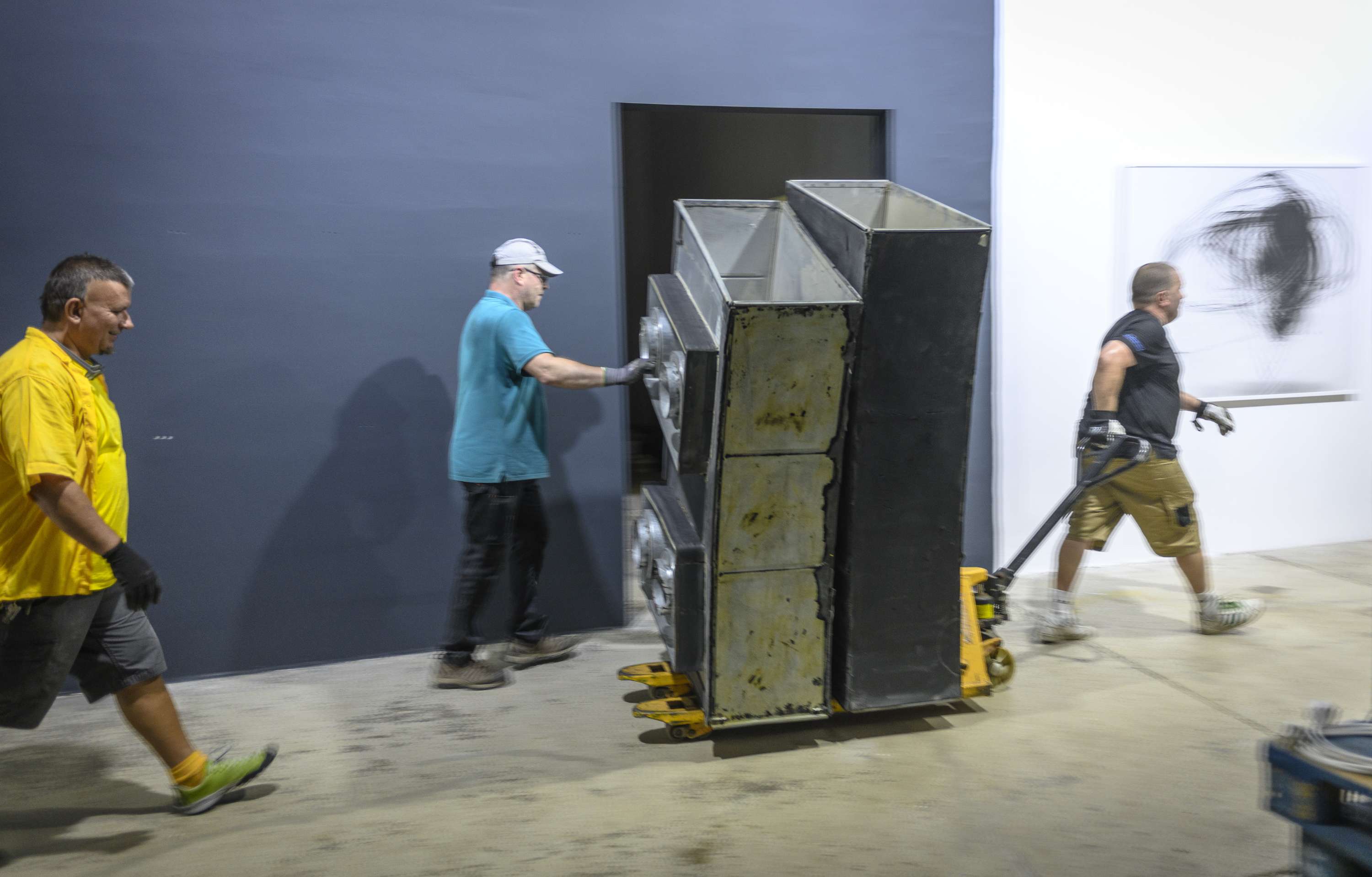
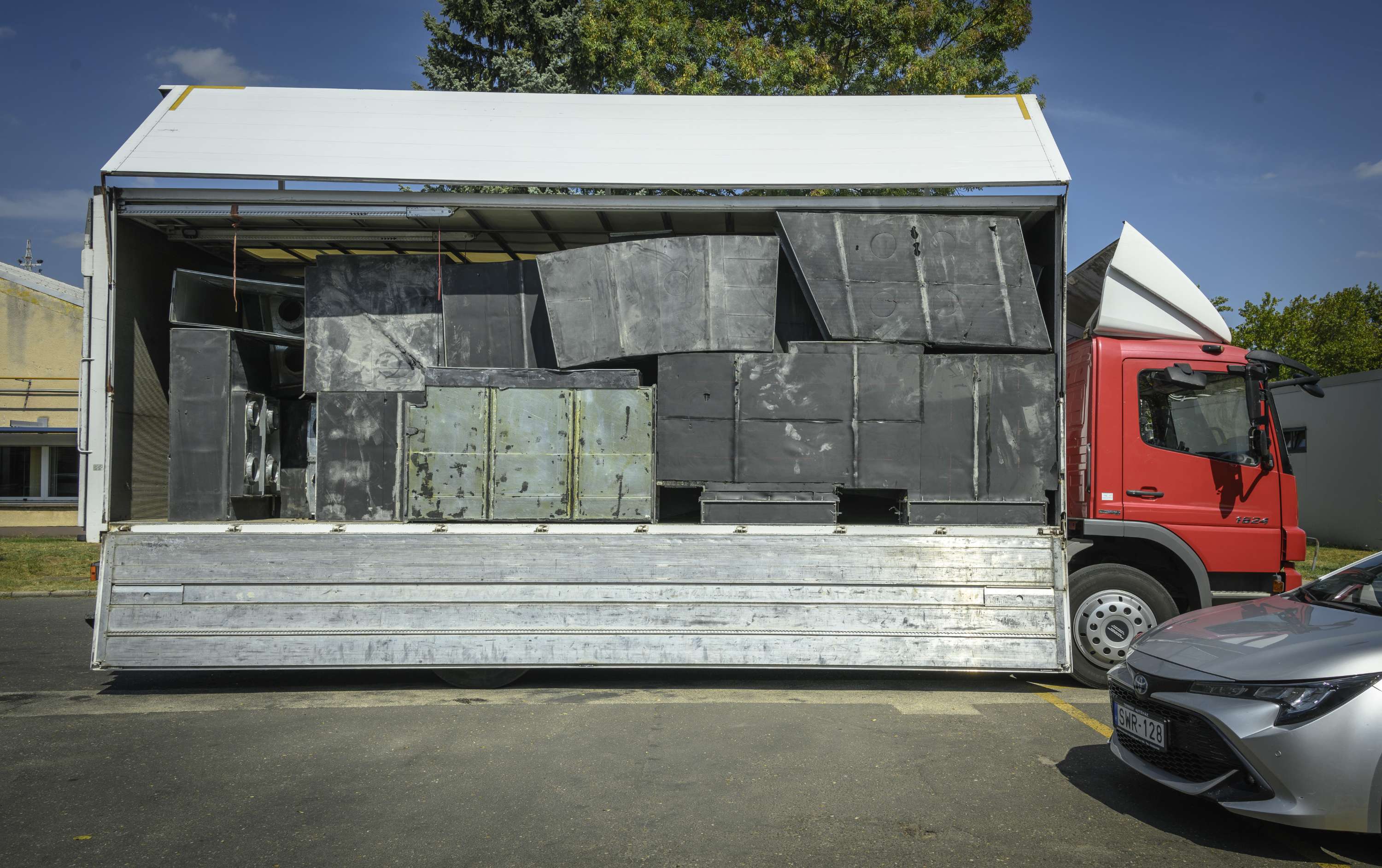
The ventilation elements, after being recontextualised in the exhibition space, can reinforce their status as a work of art through preservation and continuing care. In this KÉSZ Group's artistic network, the K-ARTS Art Foundation They offered help and a solution, which, through a generous donation, transported the ventilation components from Godot I.C.A. and installed them at the company’s Kecskemét site. The activity run by István Árvai may already be familiar to many, as since 2004 it has been organising the annual steel‑sculpture symposium and has built up an outstanding international collection in Hungary, predominantly focused on sculptural works. The corporate collection, which is still actively growing, showcases works by renowned artists such as Pál Gerber, Ágnes Eperjesi, Peter Ujházi, Ágnes Deli, Imre Bukta, Ágnes von Uray, Markus Kåhre and Anne‑Karin Furunes. Thus the MTA’s ventilation components await their next public appearance in a discerning artistic setting.
Endre Koronczi took place in the building of the Hungarian Academy of Sciences. Candlelit Scene 2 During the production of the video titled …, attention was given to the special atmosphere of the grand objects. The invisible elements that are responsible for the building’s breathing symbolically preserve the breath, sighs and the oxygen that passes through the brains of the great figures of Hungarian scientific life. The ventilation system metaphorically ties into the shared airflow that links the world together, just as the healthy existence of lifeless thoughts akin to breath relies on a continuous, fruitful exchange.
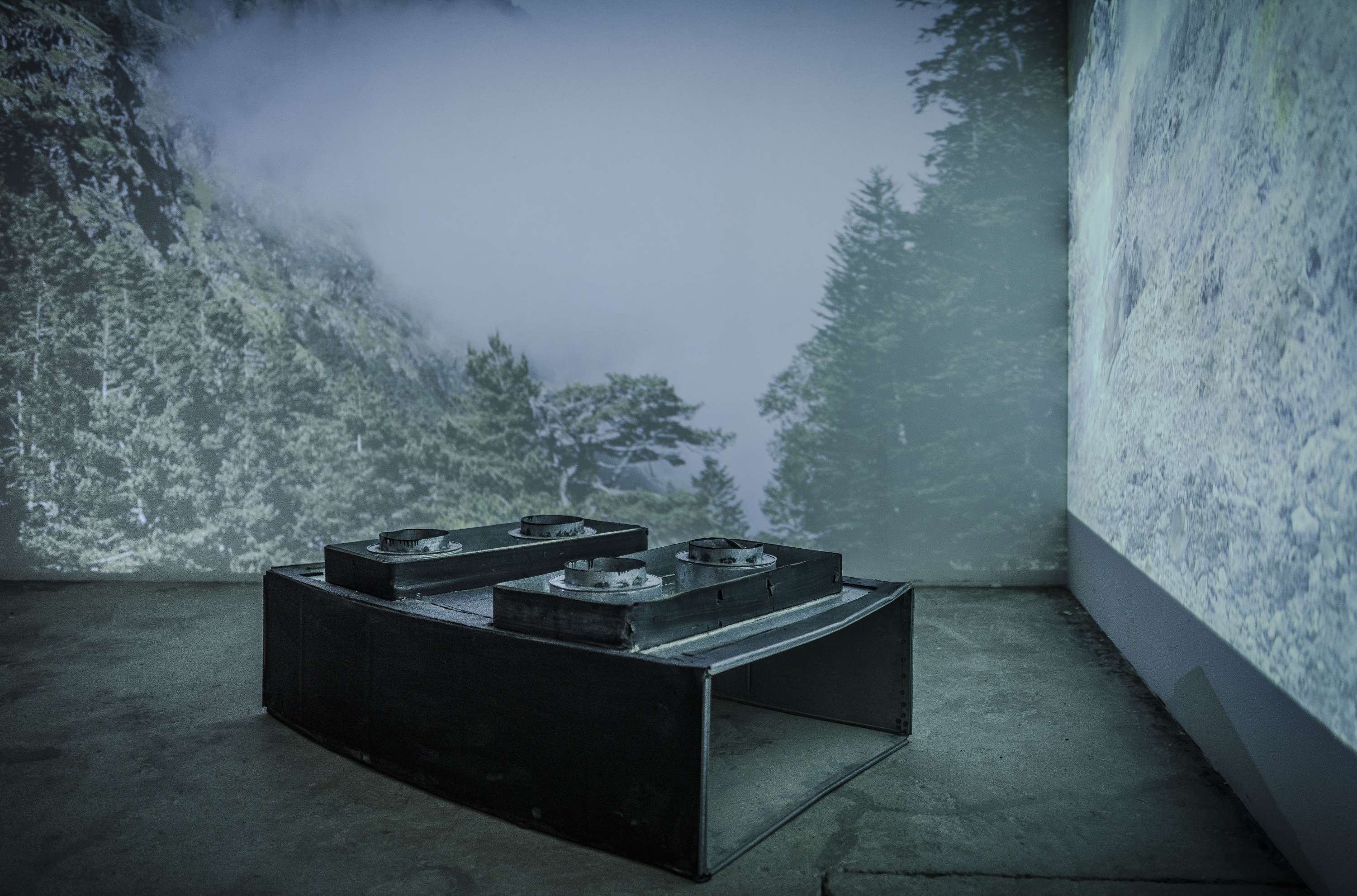
The archaeologically inspired project was presented as a collection of artefacts accompanied by original documentation at the Please, bow, Mr Széchenyi! At the exhibition, drawing on contemporary art’s perspective it canvasses the realm of historical museum displays. The maze‑like arrangement of objects, with their striking industrial character, poses the question of whether we can see the previously floor‑hidden functional objects as aesthetic—and what place the notion behind the installation occupies. The damaged elements, evoking the aesthetic of contemporary ruin, together with the projection of monumental natural images in the gallery, suggested an unimaginable outflow of the “cosmic breath” that surrounds the planet Earth.